Becoming a willing bystander™ Program Introduction
The Problem
People get sick and injured
Every day in Canada, thousands of people face unexpected injuries or sudden illnesses. Many of these situations, though not always critical, demand immediate attention.
Learn More
Every day in Canada:
- Over 160 people experience out-of-hospital sudden cardiac arrest, and less than 10% survive
- 75 people visit an ED’s for opioid-OD’s and 20+ people 15-25 y/o die from unintentional opioid overdose
- 5+ people die from deadly bleeding
- 33+ people require hospital visits for anaphylaxis treatment (severe allergic reaction)
- 100+ employees suffer workplace injuries, and an average of more than 2 workplace fatalities occur
- 250+ people are injured and 5 people die in motor vehicle accidents
- 1,000+ children get hurt in sports and recreation activities
- 200+ kids are treated in a hospital Emergency Department
- Thousands of families are impacted every day
Our healthcare and emergency systems are overwhelmed
Hospital wait times are getting longer and 9-1-1 Emergency Services response times are increasing and bystanders and patients are on their own for longer periods of time.
Learn More
Our current systems are overwhelmed:
- Hospital ED wait times are getting longer
- Bed availability is in short supply, clinics, and access to Doctors and Nurses. We need thousands of more healthcare professionals
- 9-1-1 response times are increasing
- An aging population needs more help and care
- Extreme weather and natural disasters
- Community Opioid Crisis
- Community disasters, evacuations, utility failures
- Mental health and suicide problems
- Community Emergency Preparendess and getting the public prepared and ready
We have an enormous untapped resource: Bystanders
The Challenge
Bystanders don’t get involved
Bystanders are often afraid to help. They are uncertain what to do, they don’t want to make the injury worse, and they don’t want to get sued or have legal problems and they often say “I can’t remember my training”.
Learn More
Most bystanders want to help, but are afraid to get involved – they say:
- “I don’t know what to do”
- “I can’t remember my first aid training”, or “I haven’t practiced in a long time”
- “I don’t want to get sued or charged”
- “What if I do something wrong and cause more pain or make the injuries worse”
- “I might get sued if I make a mistake”
- “I’m afraid to call 9-1-1 because I’m high or drunk”
- “The ambulance will be here soon”
The Bystander Effect: a social psychological phenomenon in which individuals are less likely to offer help to a victim when other people are present.
First Aid and CPR skills are considered perishable skills. Studies show that people can forget 50% of what they have learned within 2 months of completing their training. And certification is usually valid for 2-3 years. Regular re-freshers and reviews are critical to remain confident.
We can’t wait! We need to act now!
While efforts are being made to fix the problems, it will still take years and cost billions of dollars.
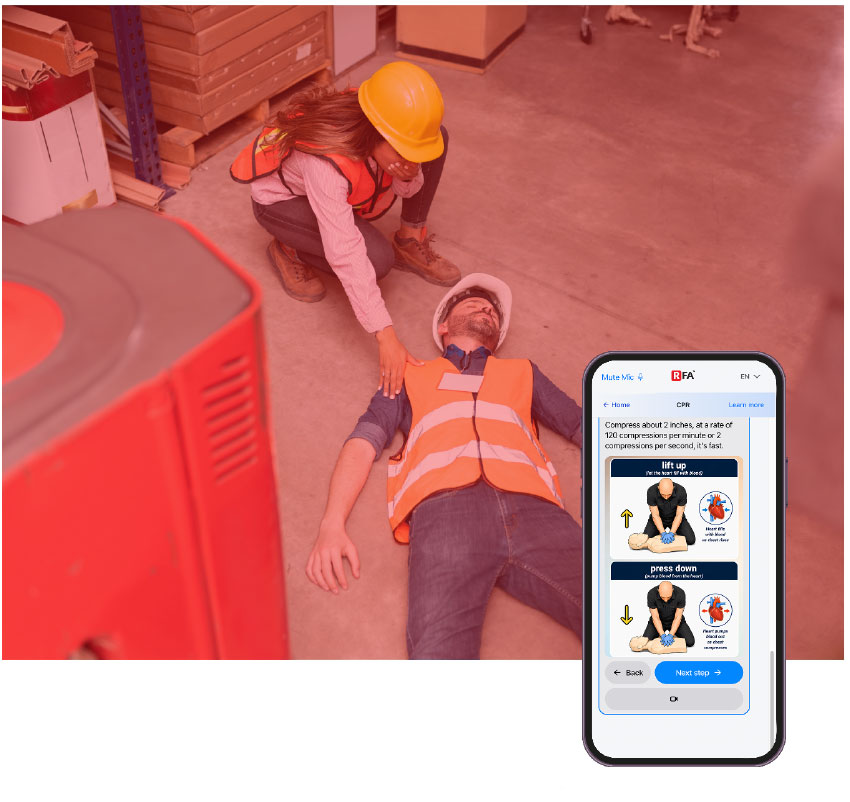
When bystanders DO help the patient, outcomes greatly improve. For example, Sudden Cardiac Arrest survival rates improve significantly from < 5% to more than 35%!
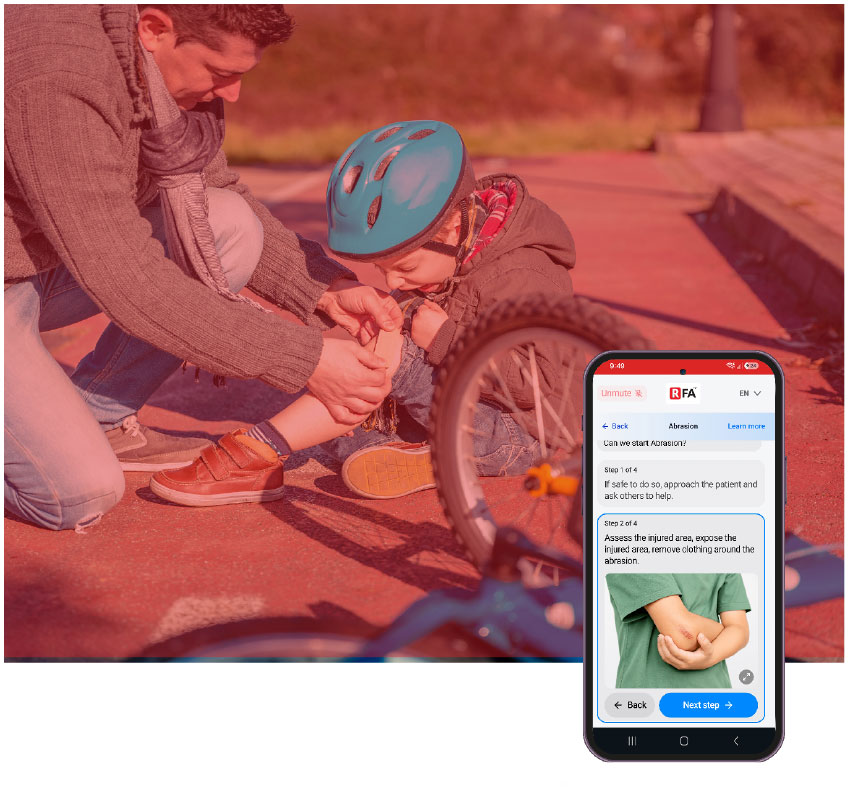
We need bystanders to help reduce the injury severity of car crash victims, workplace accidents and children’s injuries!
The Solution
Meets the guidelines estalished by:
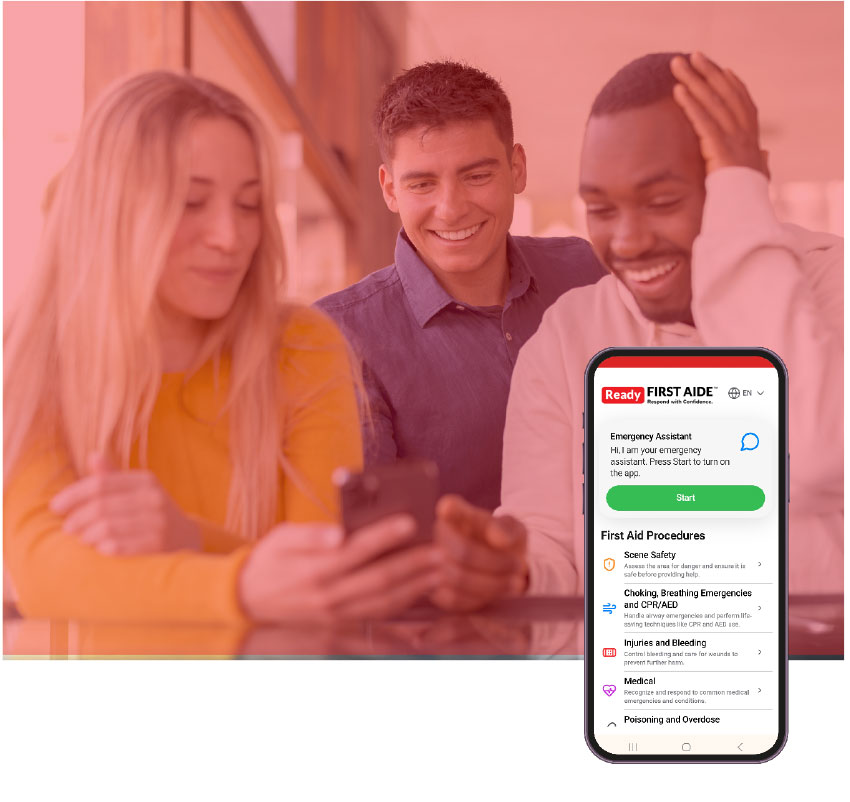
The Ready FIRST AIDE™ AI voice guided Emergency Assistant.
Now everyone can have their own Emergency Assistant to help guide them through an emergency BEFORE 9-1-1 Emergency Services arrive.
The Get Ready team has developed the Ready FIRST AIDE app to give people AI voice guided or tap step-by-step instructions.
- Multiple Languages
- 130 first aid / CPR / AED procedures
- 15 Emergencies or Disasters
- Emergency Information for 9-1-1, helplines and official links and real-tine hydro outage and wildfire maps.
- Prevention and Preparedness guides for families and home preparedness
Our programs
Willing Bystander Referral Partner Program
Refer the programs to your customers and earn recurring revenues, with no inventory or distribution required. Help your customers create safer workplaces and more confident staff.
Willing Bystander Workplace Safety Program
This program is ideal for businesses to give to their staff to help reduce accidents, injury severity and claims experience and create a safer workplace and more confident employees.
Willing Bystander Community Safety Program
This program is ideal for families, students, sports associations, faith groups and community organization members!